
 English
 Nederlands
 Việt Nam
 हिंदी
 Türkçe
 O'zbek
 русский
 hrvatski
 dansk
 Indonesia
 Eesti
 slovenščina

Historia łamigłówek
Już w 1760 roku ta popularna i korzystna forma rozrywki pojawiła się niemal równocześnie we Francji i Wielkiej Brytanii. Przyklej obrazek do kartonu i pokrój na małe, nieregularne kawałki. Początkowo obrazy miały charakter edukacyjny, albo towarzyszyły im krótkie teksty nadające się do czytania dla młodych ludzi, albo nauczanie historii lub geografii rodzącej się burżuazji.
In 1762, during the reign of Louis XV in France, a salesman named Dima began to sell map puzzles with small success. This kind of map puzzle, which requires rearranging the pieces, is a very elegant recreation. That same year, in London, a printer named John Spearsbury came up with a similar idea, inventing the enduring puzzle. With the utmost ingenuity, he glued a map of England to the back of a thin dining table, then cut the map precisely into small pieces along the edges of the counties. The idea could lead to huge fortunes, but poor Spearsbury didn't get it, he lived to be 29 years old and didn't see the huge success of jigsaw puzzles. The real significance of his success was that he opened two important markets for his inventions: the burgeoning middle-class consumers hungry for knowledge and status, and the harsh British schools of his time.
Spearsbury żył w czasach, gdy umiejętność czytania map była symbolem dżentelmena. Szał na układanki osiągnął szczyt dzięki wydarzeniu Grand Touring, gigantycznej imprezie obejmującej całą Europę. Z tej perspektywy puzzle to wykorzystanie elementów układanki do poważnego zbadania geografii całej Europy - krajów, księstw, hrabstw, miast, miasteczek, rzek i tak dalej. Znajomość map w tamtych czasach była równie dumna, jak posiadanie własnej strony głównej teraz.
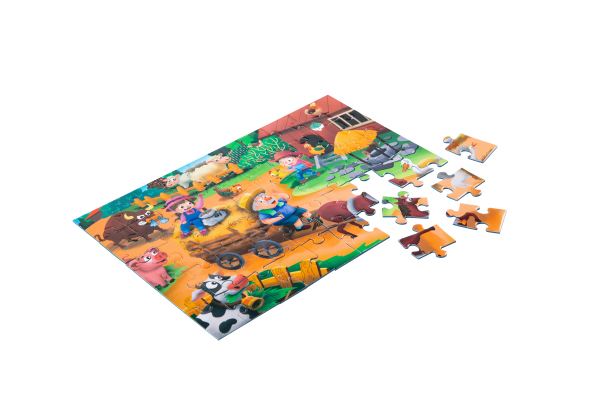
Of course, not everyone is adamant about puzzles. Contrarians and social critics alike mock the rich for being boring enough to do nothing but spread a pile of cardboard scraps on the table. More than a decade later, puzzle makers began to incorporate historical themes into their puzzles. In 1787, an Englishman named William Dutton made a jigsaw puzzle of portraits of the kings of England, from William the Conqueror to George III. Education and memory are also part of the entertainment, because to successfully arrange all the pieces, you must know the correct order of these kings. However, at that time, jigsaw puzzles were only a game of rich people, and they were not yet popular. Hand-painting, hand-coloring, hand-cutting make puzzles very expensive, equivalent to a month's salary for an average worker.
1789 saw the French Revolution usher in modern Europe, and saw the birth of the modern puzzle in the hands of John Wallis. This imaginative Briton invented brightly colored landscape puzzles. New puzzles require more focus and patience to put together. The new puzzle heralds the end of the era of exquisitely crafted, but expensive, Spearsbury puzzles. Wallis' reproduction techniques soon made his new puzzle a model for a developing trade based on his original printing plate.
Na początku XIX wieku nowe techniki przemysłowe do masowej produkcji nadały zagadkom określoną formę. Wcześniej nieporęczne i nieporęczne łamigłówki składały się z gładkich-układów elementów, które można było rozerwać przy najmniejszych wibracjach. Około 1840 r. niemieccy i francuscy twórcy puzzli wycinali kawałki puzzli za pomocą zazębiających się maszyn, które są znane współczesnym fanom puzzli. Zamienili forniry z twardego drewna na drewno iglaste, sklejkę i tekturę, znacznie obniżając koszty. Wreszcie, układanki o niskich-cenach zostały zaakceptowane przez konsumentów ze wszystkich środowisk i wkrótce wywołały szał łamigłówek wśród dzieci, dorosłych i osób starszych.
Puzzles quickly became a well-established, mass-market entertainment product that consumers could buy anywhere. Puzzles are used at this time not only for education and entertainment, but also for commercials and political propaganda. The First World War (1914-1918) is a good example. Inexpensive jigsaw puzzles featuring brave warriors desperately fighting for king and country, were popular on both sides of the war and sold well. Jigsaw puzzles have become a way to get closer to people's inner world, into their homes, and to spread information. Puzzles and newspapers, radio, and soon the first generation of television became a simple and direct form of mass media. Should people be encouraged to travel by train? Many puzzles showing majestic trains and happy tourists appeared. Every new invention and trend—steamboats, planes, automobiles, and the latest and most daring women's swimsuits—has appeared on the puzzle.
Po światowym kryzysie gospodarczym w 1929 roku, wielki kryzys, który ogarnął Amerykę Północną, był szczytowym okresem niesłabnącej popularności puzzli. Udaj się do najbliższego kiosku za jedyne 25 centów za układankę składającą się z 300-elementów, a możesz zapomnieć o ciężkim życiu i oddać się marzeniom o ułożeniu szczęśliwego dnia. Bogaci i sławni również oddają się temu szaleństwu. W Nowym Jorku dwóch z-sprzedawców-pracowników, John Henry i Frank Ware, dorobiło się fortuny dzięki oryginalnym projektom puzzli Spearsbury. Jaki jest ich sekret? Wysokiej jakości reprodukcja doskonałych szyn. Henry i Ware wkrótce nawiązali kontakty z Astorami, Vanderbiltami, Bingiem Crosbym i Marilyn Monroe, a biznes kwitł.


